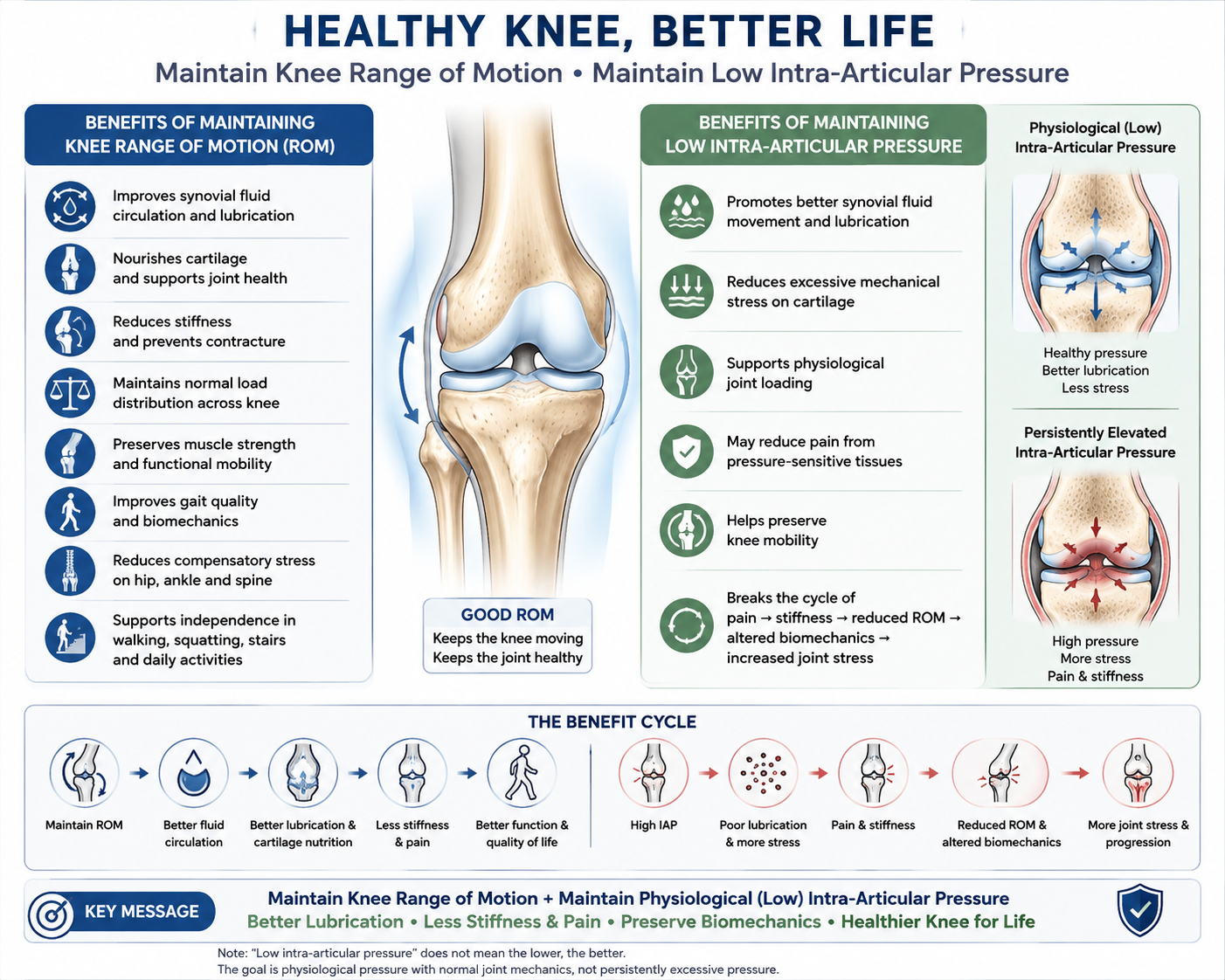
Knee ROM & Intra-Articular Pressure
Maintaining knee ROM and physiological intra-articular pressure helps preserve joint health and function. Good ROM → improves synovial fluid circulation and lubrication Maintains cartilage nutrition and reduces stiffness Preserves normal biomechanics and load distribution Avoids excessive intra-articular pressure → reduces mechanical stress Helps reduce the cycle of pain → stiffness...
Read More
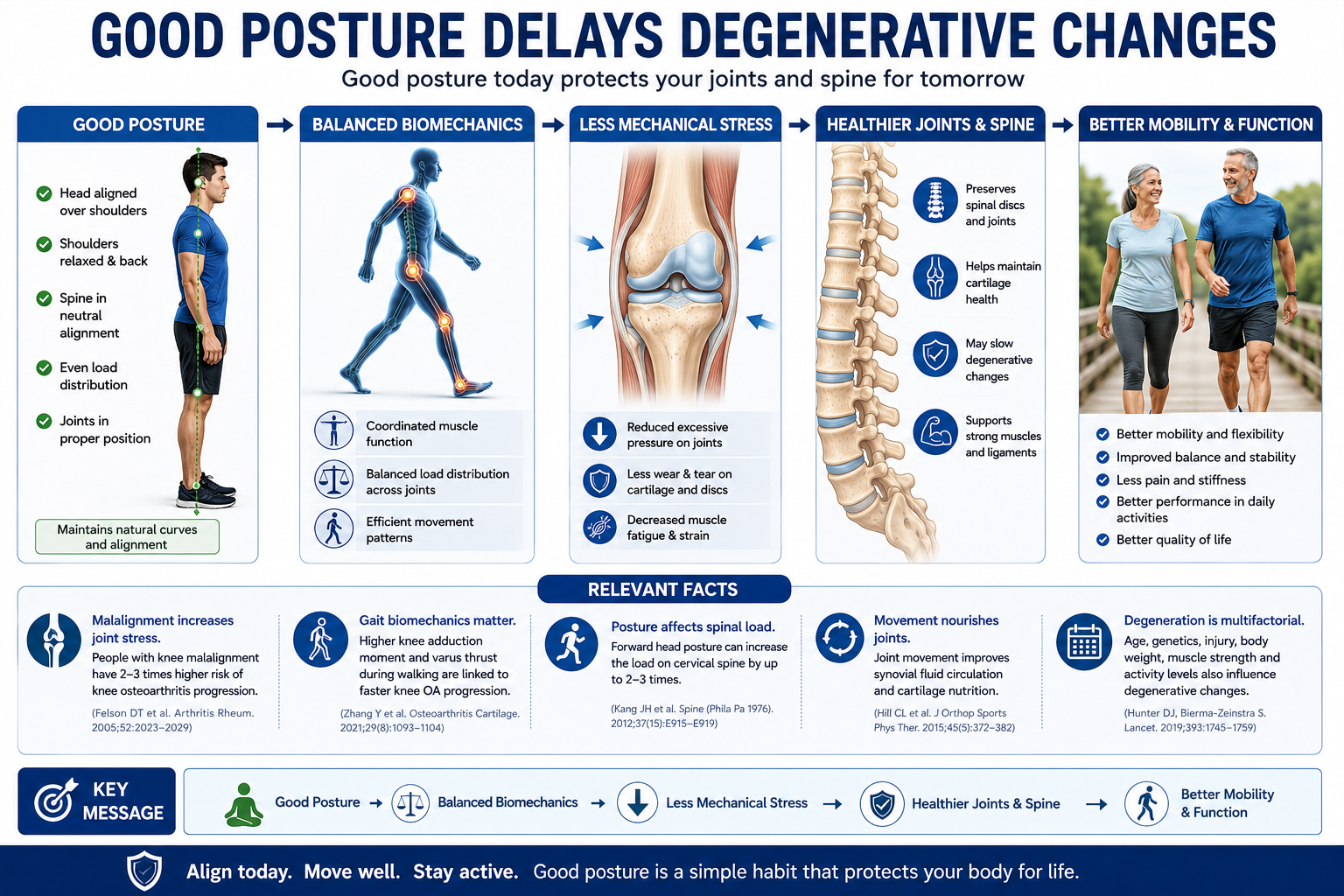
Good Posture Delays Degenerative Changes
Good posture helps maintain proper alignment and balanced load distribution across the spine and joints. By reducing abnormal mechanical stress, maintaining joint mobility, and supporting efficient muscle function, good posture may help delay excessive wear and degenerative changes over time.Alignment influences joint loading: Abnormal alignment can redistribute forces across joints...
Read More
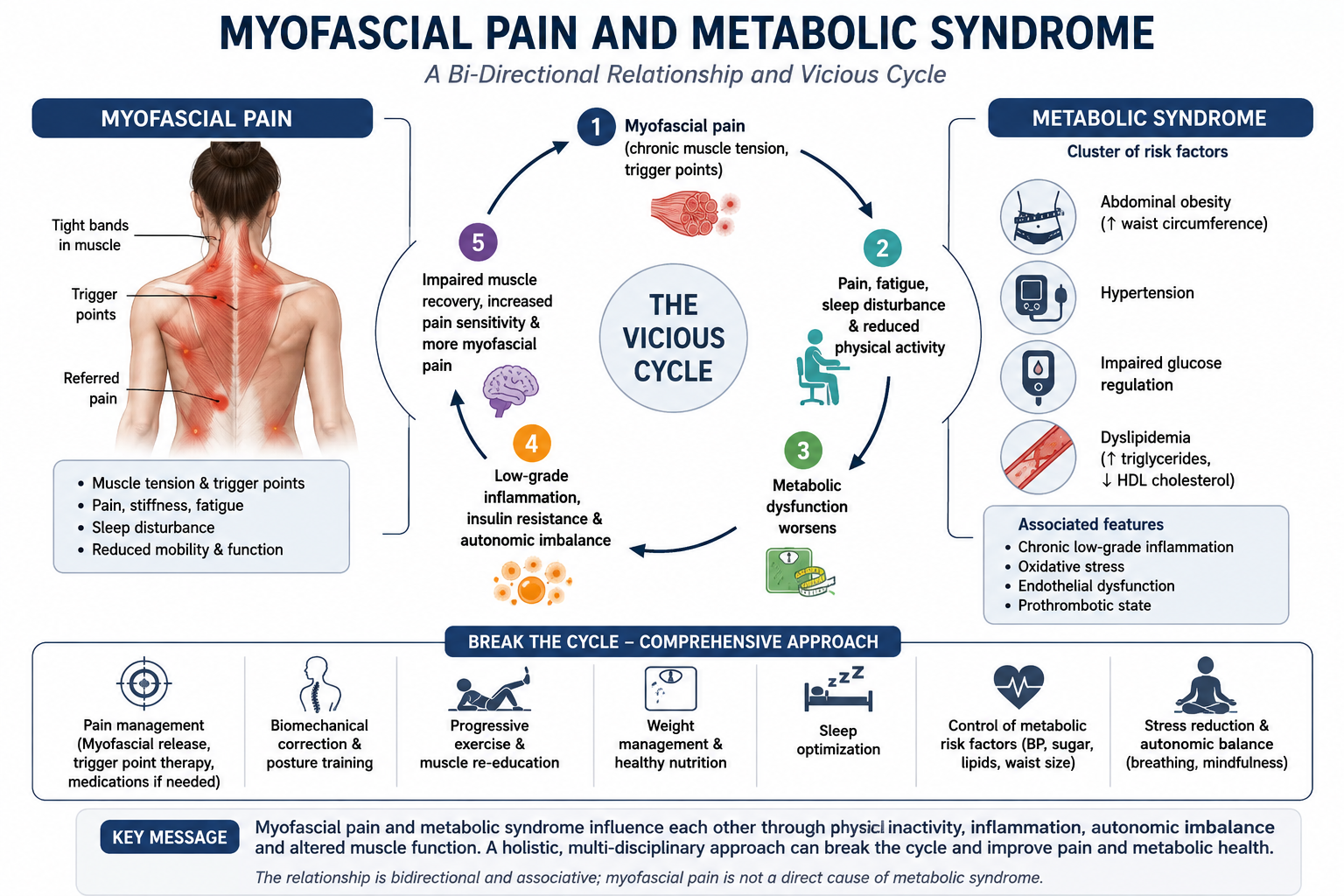
**Myofascial Pain and Metabolic Syndrome**
Myofascial pain and metabolic syndrome may be interconnected through several factors, including physical inactivity, chronic low-grade inflammation, autonomic imbalance, and altered muscle function. Metabolic syndrome is characterised by abdominal obesity, hypertension, dysglycemia, and abnormal lipid levels, and it is often associated with reduced physical activity and impaired musculoskeletal function.Persistent muscle...
Read More
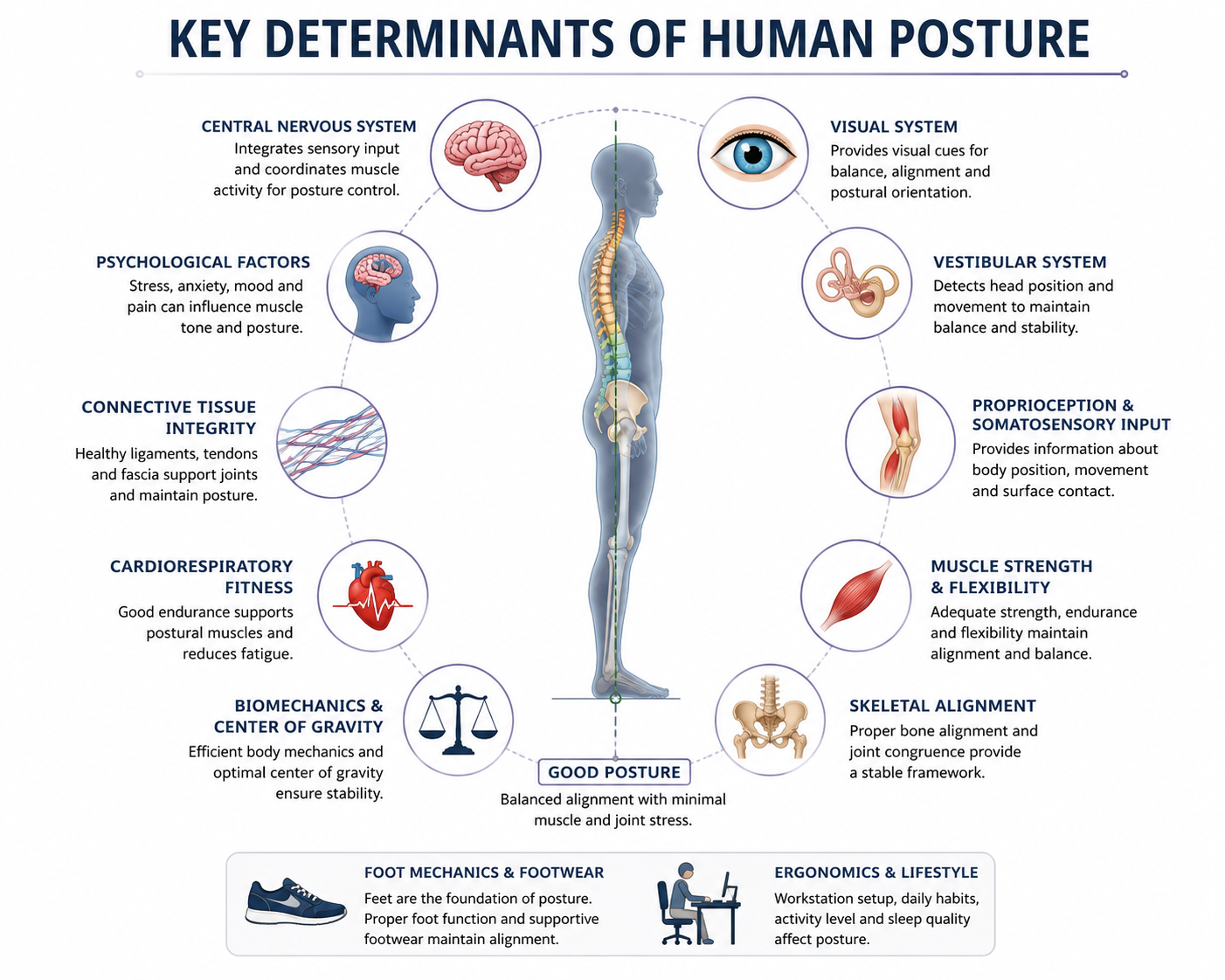
Key Determinants of Human Posture
Human posture is a dynamic process that depends on the coordinated function of multiple body systems. The central nervous system integrates information from the visual, vestibular, and proprioceptive systems to maintain balance and upright alignment.Normal posture also requires adequate muscle strength, endurance, flexibility, and appropriate muscle tone, particularly in the...
Read More
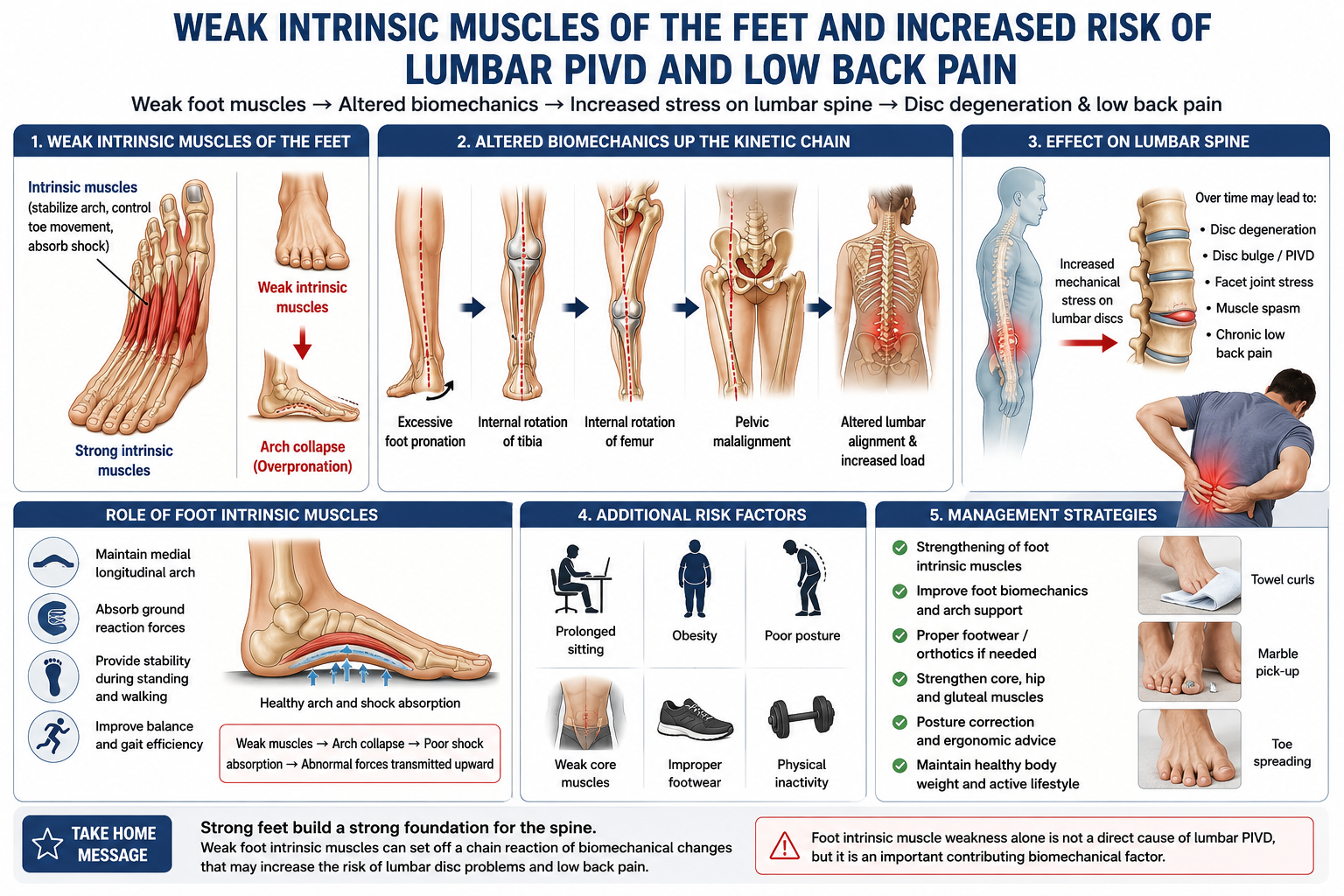
Weak Foot Intrinsic Muscles and Increased Risk of Lumbar PIVD & Low Back Pain
The intrinsic muscles of the foot play a vital role in maintaining the medial longitudinal arch, absorbing ground reaction forces, and providing stability during standing and walking. Weakness of these muscles may lead to excessive foot pronation and collapse of the arch, altering lower-limb biomechanics. These changes can be transmitted...
Read More